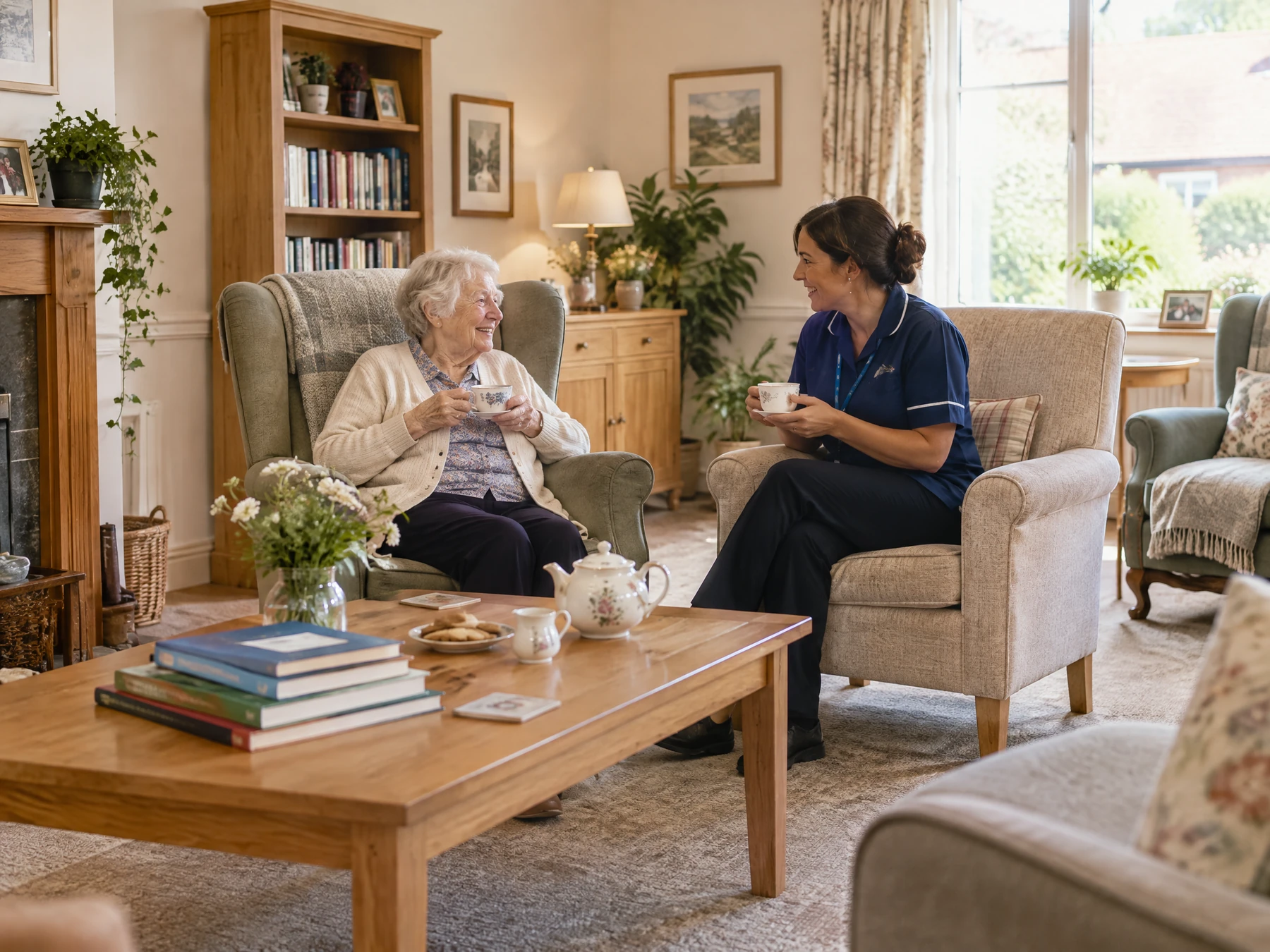
The right level of support depends on the person’s circumstances, strengths, preferences and the referral conversation.
Adults in Nottingham who are being considered for a residential care placement because managing at home is becoming difficult or less safe without regular support.
Adults who may benefit from help with personal routines, meals, household tasks, appointments or other everyday activities, at the level set out in an agreed support plan.
People who want a consistent home base where they can be supported to make choices, keep familiar routines and build confidence in daily life.
Adults moving from a family home, hospital or another living arrangement who need a planned transition into residential support, where this is identified as suitable by the relevant professionals.
Families, social workers and other professionals looking for a residential care option that can be discussed with the adult and their support network.
What support can include
Useful help with the everyday.
The exact support is agreed around the person’s goals. These are examples of the practical areas that can be discussed.
A move-in and settling-in conversation about the person's routines, preferences, communication, culture, important relationships and what helps them feel at home.
Practical help with personal care and everyday routines, at the level described in the person's agreed support plan.
Support with meals, shopping, laundry, keeping personal space comfortable and taking part in household tasks where appropriate.
Help to plan for and attend appointments, maintain contact with family and friends, and take part in local activities when these are part of the agreed plan.
Encouragement to make day-to-day choices, such as when to get up, what to eat, how to spend free time and which tasks to do with support.
Communication and planned reviews with the person, Social Services and other relevant professionals, with information shared appropriately and with consent where required.
What it can feel like
A clear, respectful way of working.
Support is not about taking over. It is about agreeing useful next steps and building confidence at a manageable pace.
01
Before a move, the referring professional body or organisation shares information about the adult's circumstances and support needs. RDF can then talk through the service, routines and questions with the adult and their supporters.
02
On arrival, the focus is on helping the person get to know the home, the people supporting them and the practical rhythm of the day. It can take time to feel settled, and questions or worries can be raised as they come up.
03
Everyday life may include meals, personal care, rest, household tasks, appointments and chosen activities. The person is supported to take part in what they can do, rather than being expected to manage everything at once.
04
Support is shaped around the agreed plan and the person's communication, preferences and priorities. Family members or representatives may be involved appropriately, with the person's consent and in line with professional guidance.
05
The placement and support plan can be discussed with the relevant professionals as circumstances change. The aim is a respectful home life with practical support, not a promise that every day will be the same.
Possible outcomes
Progress can start with small changes.
Each person’s goals and progress will be different. The focus is on practical improvements that matter in everyday life.
A more predictable daily routine in a residential setting, with support that reflects the person's needs and preferences.
Greater confidence taking part in personal care, meals, household tasks and other everyday activities, where this is realistic for the individual.
More opportunity to express choices, keep important relationships and stay connected with the local community.
A clearer shared understanding between the adult, family or representatives and professionals about what support is helpful.
A planned transition into residential care with time to raise questions, understand routines and identify changes that may need to be discussed.
Referral-led admissionsFormal admission to residential care is through Social Services or another professional body or organisation. The referring body will explain the assessment, information and decision-making process for the adult's circumstances. RDF does not accept formal admission through a direct online application, but adults, relatives, social workers and other professionals can contact RDF for guidance, to ask questions and to understand what information may be useful. Contacting RDF for guidance does not itself confirm a placement or admission.Discuss a referral
Service questions
Helpful answers about Residential Care.
Open a question to reveal a clear answer. These are a starting point, and RDF can also talk through the service and referral route with adults, families and professionals.
Residential care is a place where an adult lives and receives agreed day-to-day support in one home setting. Support may include personal routines, meals, household tasks, appointments and community connections, depending on the person's assessed needs and support plan.
Was this answer helpful?
You can contact RDF for guidance and information, but formal admission is through Social Services or another professional body or organisation. RDF can help explain the service and possible next steps; contacting RDF does not confirm admission.
Depending on the agreed plan, support may include personal care and daily routines, preparing meals, shopping, laundry, household tasks, appointments, staying in touch with important people and taking part in local activities.
Yes, where appropriate and with the person's consent. Families, representatives, Social Services and other professionals can contribute information, discuss the support plan and raise questions through the relevant referral and review process.
Next step
Want to know if this service is the right fit?
Contact RDF for guidance, or ask the relevant professional body or organisation to discuss a formal referral.